
Childcare Department
It is basically a branch of medicine that deals with the medical care of infants, children, and adolescents. It is a broad-range specialty that enables doctors to be generalists who treat children and young people with a gigantic range of diseases and illnesses. A pediatrician can also specialize in various medical fields related to children.
A pediatrician does the following things to take care of the children –
- Perform physical exams
- Give the child vaccinations
- Make sure the child achieves milestones in growth, behavior, and skills
- Examine and treat the child’s infections, illnesses, health problems, and other injuries accordingly
- Deliver information about the child’s health, nutrition, safety as well as fitness needs
- Answer questions about the child’s development and growth
- They also suggest some specialists to a child if they think the child requires expert care
Dermatology Department

A dermatologist is a specialist doctor who is known for managing problems related to skin, hair, nails, and also some cosmetic problems. It is said that a dermatologist can cure over 3000 skin conditions and
some of them are vitiligo, acne, dermatitis and eczema, fungal infections, hair disorders, nail problems, psoriasis, rosacea, skin cancer, shingles or herpes zoster, warts and many more. Many dermatological conditions can be treated with just the medication and some non-invasive therapy but some of them do require surgical intervention or more invasive treatment, depending upon the situation.
Dental Department
The common diseases that require dental care are bad breath, caries or cavities, gingivitis or diseases related to gums, abscesses, loosening of teeth, leukoplakia or white patches, and cancer of the mouth. At Dadu Dayal Hospital, we offer dental care with Implantology, Invisible Braces, Laser Dentistry (soft tissue treatment, that is painless), Paediatric Dentistry, and a painless root canal treatment to patients.
ENT Department
Deafness refers to a condition where the person loses the ability to detect certain sound frequencies partially or completely. A person must visit an ENT specialist if they are suffering from this problem. Moreover, an ear disorder, such as an ear infection, hearing impairment, diseases that trouble the balance, tinnitus (ringing in the ears), or pain in the ear are also treated by an ENT. The experts in our ENT hospital are specialized in carrying out Cochlear Implant (CI)

surgery on patients who are extremely deaf or hard of hearing. Cochlear Implants are primarily devised to mimic natural hearing. Often known as the bionic ear, it works by using significant technologies that mimic the non-working parts in the ear.
All those issues related to nose, sinuses, nasal cavity are managed and treated by an ENT specialist. These problems can affect breathing, cause loss of smell, as well as could also bring a change in physical appearance.
Disorders that affect the throat can damage or interrupt speech, eating, digestion, swallowing, and singing. Such problems can be easily identified, managed, and treated by these ENT specialists.
Internal Medicine Department
Internal Medicine mainly focuses on the prevention, diagnosis, and treatment of infective & non-infective illnesses in adult patients. The Department of Internal Medicine works as a spine which takes care of admitted patients as well as patients coming from the outside with a broader vision & expertise. The Departments of Internal Medicine offer comprehensive care with the help of its sub-specialties together with emergency & critical care departments to patients with multiple organ systems involvement.
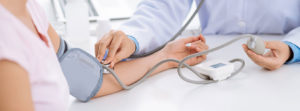
Best practices are positioned in managing varied communicable or infectious and non-communicable diseases. These are mostly viral febrile illnesses like dengue, chikungunya, chickenpox, malaria, typhoid, tuberculosis, pneumonia, hepatitis, liver abscess, urinary tract infections. Department also takes charge of non-communicable chronic diseases like Diabetes, Bronchial Asthma, migraine, stroke, chronic kidney disease, arthritis, etc.
Internal medicine is a broader medical specialty that includes diagnosis, treatment, and prevention of diseases.
It has varied sub-specialties that are as follows:
- Endocrinology mainly focuses on issues related to the endocrine system, i.e., the system of glands that generates hormones like thyroid hormone, growth hormone, and insulin. Some common conditions involve diabetes and thyroid disease.
- Pulmonology mainly focuses on medical conditions related to the respiratory tract. Various pulmonological diseases are asthma, tuberculosis, lung cancer, and more.
- Gastroenterology mainly focuses on dealing with the defects and diseases of the liver, pancreas, gallbladder, and biliary tree. Some health issues that are treated are cirrhosis, hepatitis, pancreatitis, and liver failure.
- Nephrology mainly focuses on dealing with the diseases of kidneys. Nephrological conditions involve kidney failure, kidney stones, hypertension, nephritis, and chronic kidney diseases.
- Infectious Diseases are such diseases that are caused by organisms such as bacteria, fungi, and viruses. Few infectious diseases are influenza, chickenpox, measles, dengue fever, tuberculosis, typhoid fevers, malaria, etc.
- Rheumatology is linked with the diseases connected to joints & connective tissue that involves rheumatoid arthritis, SLE, Spondyloarthropathies, etc.
- Haematology deals with varied conditions like anaemia, leukemia, lymphoma, etc.
Gynecological Department
Obstetrics mainly deals with taking care of pregnant women, unborn babies, labor, delivery as well as the immediate period following childbirth. An obstetrician guarantees that both mother and the child get the best care and labor and delivery are accomplished without facing any complications. When a woman gets pregnant, many complications can arise which may require various medical procedures.

These include –
- High-risk pregnancies including Pre-eclampsia, GDM, Gestation Hypertension
- Foetal distress caused due to compression
- Screening during pregnancy for medical conditions, high blood pressure and infections
- Early pregnancy and its complications
- Screening of foetus during pregnancy for chromosomal abnormalities and infections
- Postpartum haemorrhage and its management.
- Postpartum complication including medical and psychological problems
Gynaecology deals with any condition related to the reproductive organs such as the uterus, fallopian tubes, cervix, vagina, and ovaries. It is a medical field that is associated with the science of reproduction systems and involves different phases of a woman’s life like adolescence, reproduction, menopause, and even beyond that. A gynaecology hospital also treats problems related to the bowel, bladder, and the urinary system.
Gynaecology comprises of the preventive care and curative aspects including:
- Preventive care such as pap smear, mammography, and screening
- Problems related to adolescence such as pre-ovarian puberty, amenorrhea and more
- Infertility
- Contraception
- Menstrual irregularities
- Peri-menopausal issues
- Post-menopausal conditions such as prolapse, incontinence, post-menopausal bleeding
- Screening, detection, and treatment of gynaecological malignancies
Ophthalmology Department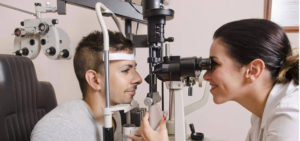
The Ophthalmology department at Dadu Dayal Hospital offers varied medical and surgical eye care solutions, which are mainly designed for the protection, preservation, enhancement, and restoration of vision, for any age group. The philosophy of the eye department reflects on the requirement to go beyond sophisticated diagnostic and microsurgical equipment, with cutting edge technology. The highly skilful and multidisciplinary team of eye doctors at Dadu Dayal Hospital gives individual attention and treats each patient with their requirements in mind.
Cataract is a condition that creates cloudy area starts in one or both the eyes. As it arises slowly, this situation makes it very difficult for the person to see things clearly. Some usual symptoms a person may face due to cataract are clouded and dim vision, sensitivity to glare, seeing halos around the lights, double vision, and fading of colors. Cataract treatment can help in curing the condition. Treatments such as Phacoemulsification. MICS, FLACS can help in curing these conditions.
Glaucoma is a problem that can harm the optic nerve and can cause permanent vision loss if left untreated. In most of the cases, there are no symptoms other than gradual loss of vision, it is very hard to self-diagnose it.
Conjunctivitis is also referred to as a pink eye, the main cause for this disease is bacteria or virus which leads to inflammation of the inner eyelid and the outer membrane of the eyeball. Various symptoms related to that could be redness, irritation, tearing, and discharge in or around the eyes.
Orthopedic Department
Before the surgery, the doctor from the orthopedic department will tell the patient about all the potential risks and complications of total joint replacement, including those concerned with the surgery itself and those that can occur post-surgery. Joint replacement surgery takes some hours. In the surgery, the damaged or injured cartilage and bone are separated from the joint and switched with prosthetic components made of ceramic, plastic, or metal. Daily exercise is an important part of the recovery process. The doctor or physical therapist will guide the patient with specific exercises to help reinstate movement and strengthen the joint.

Arthritis is a usual joint disorder featuring swelling of one or more joints. A joint is where 2 bones meet. The function of a joint is to make sure an easy movement of the body parts connected to it. Arthritis literally means inflammation of one or more joints and usually leads to frequent joint pain (arthralgia). Common symptoms of arthritis include redness in joints, swelling, stiffness, and very little movement.
Osteoporosis leads to weakness in bones and makes them susceptible to unexpected and sudden fractures. The state often progresses without any painful and visible symptoms. Those feeling that they might have osteoporosis should immediately consult the best Orthopedic Hospital in India for timely treatment. This condition mostly fractures wrist, hip, and spine. The signs and symptoms might come out in the form of back pain, reduced mobility, drop in blood pressure, loss of height, stooped posture, and an increased risk of falling.
Cardiac Department
Cardiology mainly focuses on diseases and disorders linked with the heart. Some most usual conditions include heart attacks, congestive heart failure, and valvular heart disease among others.
Physiotherapy Department
Physiotherapy is an augmented limb of modern science, proven in its effectiveness which strives not only in improving the functional status of the patient but for their improved quality of life too.

Physiotherapists are individualistic health care professionals who make sure one gets a safe, quality, client-centered physiotherapy through their dedication to service availability, accessibility, and excellence. Physiotherapists practice their professional judgment in unique, complex, and uncertain situations. The team employs an expert approach for the patient’s recovery, also actively educates and advises people to perform physical therapies and exercises to reinstate strength, movement, and function, which in turn helps in the fast recovery of a patient.
Urology Department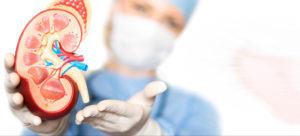
There are a large number of urological conditions and diseases that can affect a person disregarding their age and gender.
Urinary-Tract Infections (UTIS): Arising due to pathogenic bacteria or viruses, UTIs lead to a recurring urge to urinate accompanied by a burning sensation during urinating. Some other symptoms also involve cloudy urine, pelvic pain in women, and fatigue. Urinary Tract Infection is more usual in women as compared to men.
Kidney Stones: These are clear substances like calcium and oxalates & uric acid crystals that pile up over a period of time and form small stones in the kidney. A person suffering from kidney stones may encounter severe pain in the lower abdomen, pain while urinating, frequent urination, and nausea.
Benign Prostatic Hyperplasia (BPH): Commonly known as prostate enlargement, this urological condition is mostly seen in men. The prostate gland gets bigger which in the end causes various complications including urinary tract infections and bladder stones. Its signs and symptoms varied from trouble in urination, loss of bladder control to weak stream, and nocturia.